3 Top Tips for Stopping Breastfeeding
Stopping breastfeeding can be a challenge physically and emotionally for both mothers and babies. When is the right time to stop and how do you go about it?
Health professionals generally recommend breastfeeding exclusively for the first six months and UNICEF states,
'If all infants were breastfed for six months, 1.5 million lives per year would be saved and many more enhanced -no manufactured product can equal it.'
The World Health Organisation (WHO) advise continuing with breastfeeding for at least two years.
At the end of the day, however, it is still a personal choice and since many women return to work within six months of childbirth it is not always possible to feed for the recommended periods.
Many women believe that the return to work means the end of breastfeeding. However, lots of women do return to work and continue to either express milk for use when they are not available, or alternatively they continue to feed breastmilk only outside their working hours. For example, some mothers breastfeed only in the morning before leaving for work and then again in the evening upon returning. In between these times they feed their child either expressed breastmilk, formula or cows milk and boiled cooled water, depending on the age of the child.
Breastmilk is made on demand and as long as the baby is still receiving some breastfeeds the breasts will continue to supply milk.
If you do decide the time has come to stop breastfeeding, it is important to do so gradually:
1. Try cutting out one breastfeed at a time. This will help to avoid problems such as engorgement and mastitis. It will also give your baby a chance to get used to other drinks.
2. Substitute breastfeeds you have cut out with formula milk or cooled, boiled water. You may find your baby will drink water or formula milk straight from a beaker rather than a bottle. Many breastfed babies do not drink from a bottle at all when they are being weaned off the breast. However, they do still require fluids. Avoid sugary drinks.
3. If engorgement is a problem try applying cooled cabbage leaves to the breasts. Cabbage leaves release a chemical which has been proven to help relieve engorgement but needs to be used with caution as it will dry up the supply so should be used sparingly unless you want this to happen!
Over a couple of weeks you may find it is possible to stop breastfeeding altogether and without too many baby related problems, if that is what you want to do and if you take things gently.
Related Articles
Breastfeeding and Returning to Work
Treat Yourself to Me Time!
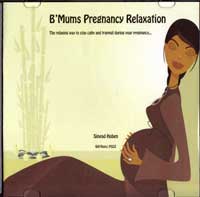
For the ultimate pregnancy treat, buy our Pregnancy Relaxation CD or download our Pregnancy Relaxation mp3
Or, if you're currently struggling with a busy lifestyle and the added demands of parenting, try our Perfect Relaxation for Parents mp3 - take time out for yourself and awaken refreshed and ready to face whatever life throws at you!
Also by BreastfeedingMums


Books We Love!


Support Us!
Write for Us
If you would like to contribute a pregnancy or breastfeeding poem, story or photos, or a miscarriage poem or story, just contact us and we'll add it to the site. Thanks.