Weaning a Breastfed Toddler - Tips for Success!
Weaning a breastfed toddler is something most mothers consider at some point in their breastfeeding journey. Although many have quit breastfeeding before their children reach the one or two year recommended milestones, for the few women who do continue to breastfeed their babies into toddlerhood it can be very difficult to make the decision about when to wean. Do you decide from the outset to breastfeed for a set number of months or years? Do you opt to let your child decide to self-wean? Or do you just run with it and see what happens?
If you've made the decision to stop, then it is important to set a weaning timescale; the last thing you should do is rush the actual weaning or worse still, just stop abruptly. Your child will have certain expectations of you and if you've always fed on demand they will obviously find it difficult if you suddenly stop feeding as and when required.
Here are a few suggestions to help your toddler make the transition gradually and gently:
Take things slowly. Cut out one feed at a time, starting with those he/ she is least likely to miss. After a few days, try cutting out a second feed and so on, always leaving a few days between each change. You may find that the morning and bedtime breastfeeds are the last feeds to stop as these are often very much part of yours and your child's daily routine. Bedtime feeds are usually the most difficult to stop as many breastfed toddlers see their bedtime feed as an important part of their bedtime routine. However, many mothers happily continue to give one breastfeed a day for many months and in time these too will gradually stop..
Encourage replacement drinks if your child is looking for a breastfeed and even allow your child to help pour them in order to show that he/ she is getting bigger and to encourage independence. Offer these drinks in a big girl's/ boy's cup and repeat positive phrases like, "Oh you're a big girl/ boy now drinking from a big cup just like mummy/ daddy".
Distraction is a wonderful aid! When your child is really insisting on a breastfeed you should try to distract him/ her if it is one of the feeds you are cutting out. Water play often is very successful as most children love watering plants, splashing in the bath or washing their toys in the sink. Painting, colouring in, watching a favourite television programme, a walk in the garden, helping with vacuuming or tidying bedrooms are other alternatives. Stories aren't so good however as the closeness to mum only reminds the child that he/ she wants a feed!
Avoid letting your child snuggle in to you during banned feed times. Very often it is extremely difficult to resist just giving in if your child is rooting for a feed. If you do allow your child to breastfeed when this happens then it simply defeats the purpose of weaning and confuses your child. Instead, if he snuggles in, get up and walk around with your child, again distracting him/ her. Pretend to be busy if it helps!
Explaining to your child in terms she/ he understands that your milk is all gone/ only for tiny babies can be helpful; point out mothers breastfeeding their little babies on television, in books and on days out if possible. Here's a sample conversation you could have with your child (Notice how the questions actively encourage your child to agree with you by making positive comments about their growth!):
"Look at the little baby drinking his mummy's milk... You're a big boy/ big girl now, aren't you? So you don't need mummy's milk anymore, sure you don't? It's only for little babies, isn't it?"
At night-time give your child water to sip from a sippy cup instead of breastfeeds.
Remember, no two children are the same and whereas some adapt to stopping breastfeeding more quickly than others, ultimately as the mother you have to remain in control if you've decided to stop. If you persevere and do it right your child will barely notice. Over a period of just a few weeks breastfeeding should have stopped completely and will be no more a lovely memory.
Related Articles
Weaning a Breastfed Baby and When to Stop Breastfeeding
The
Law, Working and Breastfeeding
Treat Yourself to Me Time!
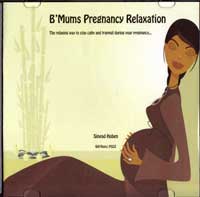
For the ultimate pregnancy treat, buy our Pregnancy Relaxation CD or download our Pregnancy Relaxation mp3
Or, if you're currently struggling with a busy lifestyle and the added demands of parenting, try our Perfect Relaxation for Parents mp3 - take time out for yourself and awaken refreshed and ready to face whatever life throws at you!
Also by BreastfeedingMums


Books We Love!


Support Us!
Write for Us
If you would like to contribute a pregnancy or breastfeeding poem, story or photos, or a miscarriage poem or story, just contact us and we'll add it to the site. Thanks.