Breastfeeding Benefits Mothers Too!
Breastfeeding isn't just good for babies - it's good for mothers too!
• Mothers who breastfeed immediately after the birth quickly develop a strong bond with their baby.
• When baby suckles at his mum's breast the hormone oxytocin is released which helps the letdown reflex. It also helps the uterus to contract. Breastfeeding mums are less likely to suffer haemorrhaging since the uterus returns to normal more quickly than that of a formula-feeding mother.
• The milk-making hormone, prolactin, has a calming and sedative effect on lactating mothers. This can be very beneficial for both mother and baby. It also means mum is relaxed during feeds and after night-time feeding she can get back to sleep quickly.
• Breastfeeding can aid weight loss after birth. During pregnancy fat is stored around the hips and waist areas to help protect the baby in the womb and also to help with the production of breastmilk after birth. These are often the first areas that breastfeeding mothers notice returning to pre-pregnancy size.
• Immediately after the birth there is less blood-loss and periods can be delayed for months - so there is a reduced risk of iron deficient anaemia developing.
• Breastfeeding may allow for natural spacing between pregnancies. Some studies suggest that as long as a mother exclusively breastfeeds she is less fertile and therefore less likely to conceive. But, this is not 100 percent effective so it is still wise to take precautions.
• It may offer protection against some cancers such as breast, uterine and ovarian.
• It may also help to increase bone density, preventing osteoporosis when breastfeeding ceases.
• It has been shown to lessen the risk of mothers developing crippling rheumatoid arthritis.
• Some evidence exists to show that breastfeeding mothers are less likely to develop heart disease as they appear to have higher levels of good cholesterol (HDL) in their blood.
• By choosing to breastfeed you can save on average £500 per year. Mums can treat themselves to something nice!
Related Articles
Dr Jack Newman:
More and More Breastfeeding Myths
Still More Breastfeeding Myths
Treat Yourself to Me Time!
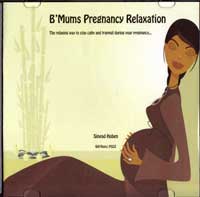
For the ultimate pregnancy treat, buy our Pregnancy Relaxation CD or download our Pregnancy Relaxation mp3
Or, if you're currently struggling with a busy lifestyle and the added demands of parenting, try our Perfect Relaxation for Parents mp3 - take time out for yourself and awaken refreshed and ready to face whatever life throws at you!
Also by BreastfeedingMums


Books We Love!


Support Us!
Write for Us
If you would like to contribute a pregnancy or breastfeeding poem, story or photos, or a miscarriage poem or story, just contact us and we'll add it to the site. Thanks.