Postpartum Depression
Postpartum Depression, also known as postnatal depression, is a serious medical condition that doesn't go away on its own and requires some degree of medical help.
After the birth of a baby many mums suffer from the so-called baby blues. This is not postpartum depression. Typically the baby blues occur on day three post-natally. This is a physiological condition resulting from a drastic decline in pregnancy hormones and it leaves women feeling sensitive, weepy, vulnerable and very emotional.
Within a few days, however, the vast majority of women will be on the road to recovery and they get on with the business of adapting to motherhood and disrupted sleep!
Sometimes though a new mum may not recover just so easily. She may begin to feel overwhelmed by the sheer changes that have occurred in her life and weighed down with the responsibility of caring for a dependant new baby. She may have suffered a birth trauma, from which she is finding it difficult to recover. She may feel she simply can't cope. And she may even find herself having severe mood-swings, self-harming or suicidal thoughts, trouble bonding with her baby or being overly protective of the baby.
About one in ten mums suffer from postpartum depression although many never discuss it openly.
And postpartuml depression can strike long after the baby's birth; sometimes mums are not diagnosed for up to 18 months or longer.
It also tends to get worse with each subsequent pregnancy, so it is vital to seek medical advice.
Discuss your symptoms with your doctor or health-visitor if feel you may have PND so that you can be treated appropriately.
Your doctor will probably ask you to fill out a questionaire, known as the Edinburgh Postnatal Depression Scale, which determines whether or not you have postnatal depression and the severity of it.
If left untreated, postnatal depression (PND) can get worse. Sometimes a partner, friend or relative may notice changes in a mum's personality and they may urge her to seek help.
In most cases a course of mild antidepressants, counselling and more free time may be all that is required. Going out for a brisk walk, with or without the baby, and a brief sleep at some point during the day can help immensely.
However, if your doctor feels that medication is necessary remember to tell her that you are breastfeeding.
Naturally no mum would choose to unnecessarily expose her baby to drugs but many antidepressants can be safely taken when breastfeeding. This means you can continue to breastfeed and receive appropriate treatment. Your doctor will discuss this with you.
You should not be made to feel that you should give up breastfeeding just because you have postpartum depression.
Many women suffer from some degree of Postnatal depression and successfully breastfeed. Do not feel pushed into quitting by anyone but try to decide for yourself whether you feel able to continue breastfeeding.
Related Articles
Celebrities with Postpartum Depression
Treat Yourself to Me Time!
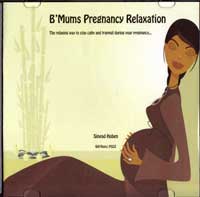
For the ultimate pregnancy treat, buy our Pregnancy Relaxation CD or download our Pregnancy Relaxation mp3
Or, if you're currently struggling with a busy lifestyle and the added demands of parenting, try our Perfect Relaxation for Parents mp3 - take time out for yourself and awaken refreshed and ready to face whatever life throws at you!
Also by BreastfeedingMums


Books We Love!


Support Us!
Write for Us
If you would like to contribute a pregnancy or breastfeeding poem, story or photos, or a miscarriage poem or story, just contact us and we'll add it to the site. Thanks.