What exactly are pelvic floor exercises and why do I need to do them?
During and after pregnancy and throughout the rest of your life you will probably be aware that you are supposed to be doing pelvic floor exercises (also known as Kegel Exercises after the doctor who created the concept). The reason for this is that pregnancy weakens the pelvic floor muscles, ie the muscles acting like a hammock and which hold hold your pelvic organs in place. The organs supported by your pelvic floor are the bladder, the bowel and the uterus.
During pregnancy your muscles and ligaments relax and unfortunately for a lot of women the pelvic floor suffers greatly under the strain of carrying and giving birth to a baby. This can be most obvious as the birth approaches when pregnant women can find it difficult to control their bladder and sometimes bowels. However, after the birth, particularly after a vaginal birth, the weakness can be very obvious and new mothers are very conscious of this. It is likely that this is the time when most new mothers are doing their pelvic floor exercises religiously.
Unfortunately, the demands of motherhood soon outweigh the need for pelvic floor exercises and many new mothers simply forget about them, particularly since the problem of a weakened pelvic floor may not be very obvious after the initial weeks following childbirth.
Sadly, the more babies a woman bears, the more damaged her pelvic floor becomes and if her pelvic floor is not exercised regularly the problem of incontinence, ie the leaking urine, faecal matter or both will only get worse as the woman grows older. Lack of strength in the pelvic floor muscles can also in some instances lead to uterine, bowel and bladder prolapse in which the bowel and bladder may actually bulge into the vagina through the weakened vaginal wall, or in the case of the uterus, fall into the vagina.
As you may now realise, it is vitally important to get into the habit of exercising your pelvic floor muscles as soon as possible before, during and after pregnancy and for the rest of your life!
How to do Pelvic Floor exercises
Treat Yourself to Me Time!
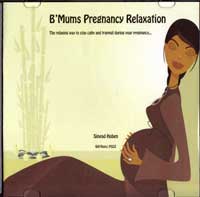
For the ultimate pregnancy treat, buy our Pregnancy Relaxation CD or download our Pregnancy Relaxation mp3
Or, if you're currently struggling with a busy lifestyle and the added demands of parenting, try our Perfect Relaxation for Parents mp3 - take time out for yourself and awaken refreshed and ready to face whatever life throws at you!
Also by BreastfeedingMums


Books We Love!


Support Us!
Write for Us
If you would like to contribute a pregnancy or breastfeeding poem, story or photos, or a miscarriage poem or story, just contact us and we'll add it to the site. Thanks.