Stem Cell Videos - Stem Cells and Disease - Part 4 of 6
Brought to you by the Howard Hughes Medical Institute, this lecture by Dr. Douglas A. Melton is part of a series of lectures devoted to a discussion about the nature of embryonic stem cells and their potential use in the treatment of human disease. Understanding the mechanisms by which particular cell types are generated are of primary concern to be able to fully harness the medicinal potential of embryonic stem cells.
There are two main approaches to using stem cells to fight human diseases: develop stem cells to produce therapeutic replacement cells and study stem cells as a model for understanding the biology of a disease. Significant progress has been made in producing stem cell lines that, for example, participate in the regeneration of damaged nervous tissue. Many human diseases, such as juvenile diabetes (type 1 diabetes), involve malfunctioning genes and environmental triggers. Usually, a specific type of cell is primarily affected by the disease, and the cellular dysfunction produces the symptoms. In juvenile diabetes, the insulin-producing islet cells of the pancreas are destroyed. Insulin is critical to the proper regulation of sugar by the body, and its absence causes the severe condition called diabetes. Researchers want to coax embryonic stem cells into becoming healthy insulin-producing cells. These cells might then be transplanted into people with diabetes to produce the insulin they lack. Researchers are also interested in producing stem cells that malfunction exactly like the diseased cells in order to understand fundamental aspects of the disease and also to test treatments.
Related Stem Cells Videos
Embryonic Stem Cells and Disease - Part 1
Embryonic Stem Cells and Disease - Part 2
Embryonic Stem Cells and Disease - Part 3
Embryonic Stem Cells and Disease - Part 5
Embryonic Stem Cells and Disease - Part 6
More Stem Cell Videos
Treat Yourself to Me Time!
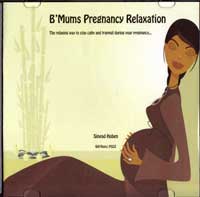
For the ultimate pregnancy treat, buy our Pregnancy Relaxation CD or download our Pregnancy Relaxation mp3
Or, if you're currently struggling with a busy lifestyle and the added demands of parenting, try our Perfect Relaxation for Parents mp3 - take time out for yourself and awaken refreshed and ready to face whatever life throws at you!
Also by BreastfeedingMums


Books We Love!


Support Us!
Write for Us
If you would like to contribute a pregnancy or breastfeeding poem, story or photos, or a miscarriage poem or story, just contact us and we'll add it to the site. Thanks.