Breastfeeding Supply - Too Much or Too Little?
Something breastfeeding mums often worry about is whether or not their baby is receiving enough milk.
If your baby is gaining weight and has plenty of wet and soiled nappies, then the likelihood is that he is getting a plentiful supply.
On the other hand, if you think your baby is not gaining weight or wetting and soiling his nappies frequently, then you should discuss it with your health visitor or a breastfeeding counsellor/ lactation consultant. You may be advised to breastfeed more frequently, particularly during the night when your milk making hormones are at their highest levels. You may also be advised to take some natural herbal remedies to increase your milk supply. You should avoid substituting breastfeeds with formula, unless otherwise advised by a breastfeeding counsellor, as this can actually deplete your milk supply further.
Do not worry about over-feeding your baby as he will simply refuse to feed if he is full.
Sometimes breastfed babies suckle their mothers after a breastfeed. This is a common complaint with many breastfeeding mothers feeling they are being used as a human soother.
At the onset of breastfeeding it can be difficult to tell if the baby is breastfeeding or simply being comforted, but over time you will recognise the sensations are different. You may begin to notice that baby is not swallowing or gulping when he is simply having a comfort ‘feed'.
Another concern for new mothers who are breastfeeding is that they feel they have an over abundance of milk. This is common during the first few weeks of breastfeeding and any engorgement will soon settle.
Some mums find that they can ease this by using a hand pump or electric pump to express and store the milk for later use. Or, alternatively, some mums offer their breastmilk to local human milk banks for treating seriously ill and premature babies!
Breastmilk can be safely frozen and stored for bottle-feeds or it can be added to solids when baby is weaned.
Related Articles
Is My Baby Getting Enough Milk?
Herbs for Increasing your Milk Supply
Breastfeeding Problems - engorgement
Treat Yourself to Me Time!
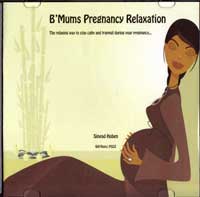
For the ultimate pregnancy treat, buy our Pregnancy Relaxation CD or download our Pregnancy Relaxation mp3
Or, if you're currently struggling with a busy lifestyle and the added demands of parenting, try our Perfect Relaxation for Parents mp3 - take time out for yourself and awaken refreshed and ready to face whatever life throws at you!
Also by BreastfeedingMums


Books We Love!


Support Us!
Write for Us
If you would like to contribute a pregnancy or breastfeeding poem, story or photos, or a miscarriage poem or story, just contact us and we'll add it to the site. Thanks.
