Breastfeeding Questions - Is My Breastmilk Drying Up?
Hi, my daughter is 12 wks + 3 days. I've been breastfeeding from the start and have had no problems. I've also been letting her have SMA Gold milk in emergencies when my mother looks after her and if I'm not back in time for her feed.
I'm a bit worried that my milk isn't enough for her because my boobs always felt big to me and I knew when she needed a feed. But now they feel really small and soft.
My milk isn't drying up, is it? I hope not because I enjoy feeding her myself. I'm trying to drink more and trying not to worry about it but I can't stop thinking about it. How can I tell if my milk is drying up? Please help.
What you are experiencing is normal. After the first weeks have passed your breasts will feel begin to feel soft again as your body has adapted to breastfeeding. Only if you miss feeds or go for a longer period between feeds will your breasts begin to get engorged again. So please try not to worry!
As long as you continue to breastfeed on demand your milk is very unlikely to dry up. And as long as your baby has plenty of wet nappies every day you will know that she is getting plenty of milk.
At around 12 weeks many babies have a growth spurt so you may find your baby feeds a lot more for a few days. Many mums think this means their baby is not getting enough breastmilk and mistakenly think that their supply is drying up. But it is simply the baby's way of increasing the supply of breastmilk. The more a baby demands, the more milk your body will produce for her!
Avoid giving any formula if at all possible as your baby may get used to drinking from a bottle and may reject the breast. However, if you only give a bottle in emergencies, then this is unlikely to happen.
Also, it is important that you try to rest as much as possible as this will help your body to produce more milk.
If you are still concerned about your milk supply, have a chat with your health-visitor or GP, or better still, visit a local breastfeeding support group and speak to trained breastfeeding professionals who will give you lots of welcome advice and support - as will the other breastfeeding mums.
I hope this helps and congratulations on breastfeeding your baby for so long. It's wonderful to know that mums are breastfeeding their babies and wanting to continue. Let me know how you get on!
Sinead
Treat Yourself to Me Time!
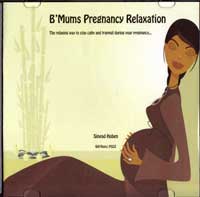
For the ultimate pregnancy treat, buy our Pregnancy Relaxation CD or download our Pregnancy Relaxation mp3
Or, if you're currently struggling with a busy lifestyle and the added demands of parenting, try our Perfect Relaxation for Parents mp3 - take time out for yourself and awaken refreshed and ready to face whatever life throws at you!
Also by BreastfeedingMums


Books We Love!


Support Us!
Write for Us
If you would like to contribute a pregnancy or breastfeeding poem, story or photos, or a miscarriage poem or story, just contact us and we'll add it to the site. Thanks.