Breastfeeding Questions - Night Time Bottle Feeding
I am planning to breastfeeding my baby during the day and give him/her expressed breastmilk from a bottle during night feeds. Is this alright? I mean, does the baby get confused and will it affect my baby's feeding?
Prolactin (the milk producing hormone) levels reach a peak in the early hours of the morning. So it is not a good idea to give expressed milk at night. The reason for this is that breastmilk is made on supply and demand and night feeds are an important way of increasing your milk supply.
However, it is okay to do it occasionally. Unfortunately, if you do not breastfeed at all during the night, then your milk supply will be reduced as a result.
Many breastfed babies will drink from a bottle but they can develop a preference for it. After all, it is much easier to get milk out of a bottle than from a breast! This may lead to them refusing the breast once they get used to drinking from a bottle.
The sucking action is also different and some babies can get confused.
However, if you have no option but to combine breastfeeding and bottlefeeding then you are doing the right thing by opting to give expressed milk rather than formula milk.
It is recommended that you do not express for the first six weeks or so after the baby is born as your breast tissue is easily damaged and this can cause problems like blocked ducts and mastitis. So if possible, breastfeed exclusively for the first six weeks and then start expressing.
Try to join a local breastfeeding support group for more information about breastfeeding and expressing. Or ask your health-visitor for advice if you are concerned about your baby's feeding or if you find it hard to cope with the night-feeds.
You may find that once you start to breastfeed it is actually easier to feed the baby at night yourself rather than having to get up and warm a bottle. I am still breastfeeding my 11 month old baby boy and I feed him myself day and night. It can be very tiring but you get used to it eventually!!
I hope this helps you and good luck with your baby when he or she arrives! Keep in touch.
Sinead
Treat Yourself to Me Time!
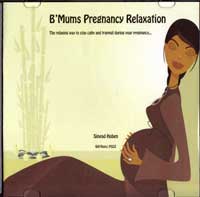
For the ultimate pregnancy treat, buy our Pregnancy Relaxation CD or download our Pregnancy Relaxation mp3
Or, if you're currently struggling with a busy lifestyle and the added demands of parenting, try our Perfect Relaxation for Parents mp3 - take time out for yourself and awaken refreshed and ready to face whatever life throws at you!
Also by BreastfeedingMums


Books We Love!


Support Us!
Write for Us
If you would like to contribute a pregnancy or breastfeeding poem, story or photos, or a miscarriage poem or story, just contact us and we'll add it to the site. Thanks.