Tips for Breastfeeding a Teething Baby
Breastfeeding a teething baby is possibly one of the greatest worries for breastfeeding
mothers. Perhaps surprisingly, many mums feel pressurised by other people to stop breastfeeding as soon as the first tooth begins to break through.
People will express dismay, disgust and sheer incredulity if they think a mum will continue to breastfeed a baby with teeth.
Considering many babies get their first tooth somewhere between four and six months the choice to continue breastfeeding should not really be such a big deal.
Of course mums worry that their baby may bite but they can give quite a nip even before teeth appear. You can soon teach your baby to refrain from biting by simply placing a clean finger between the baby's gums and your nipple and saying "No" in a firm voice. The action will break the suction while the firm voice reinforces your message! You can also stop breastfeeding the baby momentarily and if you do this each time he bites he will soon realise that it is not such a good idea!
Sometimes the bite can take you by surprise and can be uncomfortable but in these instances you may find that you instinctively pull away and baby will learn the same lesson - if he bites he loses his lovely drink!
People may tell you horror stories about breastfeeding babies biting so hard that they drew blood. This is very rare.
Please remember that your baby is not consciously hurting you. Biting helps relieve the pressure on his teething gums and eases the pain a little. Babies will bite and chew at anything they can put to their mouths.Try giving your baby a teething toy or a teething ring which has been stored in the fridge - the cold will help numb the pain. Sometimes a teething gel such as Bonjela or Dentinox can help or you can try herbal remedies. Ask advice from your healthcare provider before giving any medications.
Sometimes breastfeeding babies bite when they are just playing - in the same way that a bottle-fed baby chews and pulls on the teat of the bottle.Your breastfed baby is simply experimenting and learning. He will very soon realise the rule of cause and effect and he will tire of it before too long!
Related Articles
Weaning a Breastfed Baby and When to Stop Breastfeeding
Treat Yourself to Me Time!
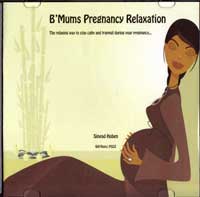
For the ultimate pregnancy treat, buy our Pregnancy Relaxation CD or download our Pregnancy Relaxation mp3
Or, if you're currently struggling with a busy lifestyle and the added demands of parenting, try our Perfect Relaxation for Parents mp3 - take time out for yourself and awaken refreshed and ready to face whatever life throws at you!
Also by BreastfeedingMums


Books We Love!


Support Us!
Write for Us
If you would like to contribute a pregnancy or breastfeeding poem, story or photos, or a miscarriage poem or story, just contact us and we'll add it to the site. Thanks.