Breastfeeding and Returning To Work
Most breastfeeding mums worry that they will have to wean their baby from breastmilk to formula upon their return to work. However, there are other options.
One to consider is to breastfeed before you leave for work and as soon as you return home. Also breastfeed during the night. You can express milk and store it for use when you are at work.
If possible, try to keep breastfeeding even after you have returned to work. Your antibodies will be an invaluable source of protection. They will help to protect your baby from germs and infections carried by his new caregivers and environment.
You may find it is not possible to express and store breastmilk. If this is the case, then an alternative may be to consider the possibility of combining breastfeeding and formula-feeding. This way you can continue breastfeeding when you are at home, in the mornings or evenings. Formula can be given whilst you are at work.
This solution works well for lots of mums and is less disruptive to both mum and baby.
Unfortunately, many mums are not aware that they can combine the two.
Remember it is always best to continue with breastfeeding even if you are breastfeeding less.
If it is not possible to continue breastfeeding remember that you have done very well to breastfeed at all; congratulate yourself! Any benefits your baby derived from breastfeeding, for however long, continue even after you have stopped. Your baby has had the best possible start in life.
The Law, Working And Breastfeeding
Many mums are unaware that the law protects breastfeeding women.
The law states that breastfeeding women must not be put at any risk. If this is impossible then employers must either:
� change a woman's work hours or
� offer alternative work at the same wage or
� suspend her on paid leave for the duration of her breastfeeding
The UK Health and Safety Executive (HSE) advises employers to provide a private, healthy and safe environment in which to express and store milk although this is not legally required.
Breastfeeding women are also protected by sex discrimination laws.
Breastfeeding mothers are allowed breastfeeding breaks. They can return home if they live only a short distance away from work. Or they can express milk privately and store it for later. The breaks need to be agreed between employer and employee. Breaks should be about 20 minutes long and vary between one and four breaks in an average working day.
The number of breaks will depend on the age of the baby. Younger babies will need more feeds than older babies; their tummies are tiny and cannot hold very much milk.
Facilities Required
Breastfeeding mothers should have access to a private, clean, warm room (not the toilets). The room should have a clean work surface on which to place sterilising equipment and a breast pump, if required. A comfortable, supportive chair should also be available. There should be an electrical socket, a sink and a fridge or cool bag for storing expressed milk at 2-4 degrees centigrade.
By enabling breastfeeding mothers to continue breastfeeding when they return to work organisations can benefit. They will be less likely to have to replace staff. So they will save money on recruitment, retraining and the expenses involved in recruiting temporary staff.
Also, since breastfed babies are less likely to be ill, employees will not need to take so much time off to care for them.
Supportive firms gain respect from their staff and become more attractive to potential employees.
The result: more productivity and a happy workforce.
Related Articles
Dr Jack Newman - What to Feed the Baby when the Mother is Working Outside the Home
Treat Yourself to Me Time!
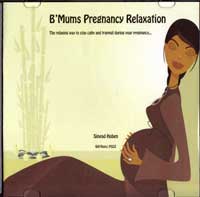
For the ultimate pregnancy treat, buy our Pregnancy Relaxation CD or download our Pregnancy Relaxation mp3
Or, if you're currently struggling with a busy lifestyle and the added demands of parenting, try our Perfect Relaxation for Parents mp3 - take time out for yourself and awaken refreshed and ready to face whatever life throws at you!
Also by BreastfeedingMums


Books We Love!


Support Us!
Write for Us
If you would like to contribute a pregnancy or breastfeeding poem, story or photos, or a miscarriage poem or story, just contact us and we'll add it to the site. Thanks.