Breastfeeding Problems
Mastitis
Mastitis is a common, uncomfortable, often painful condition from which many breastfeeding women suffer at some point. It usually occurs when a milk duct becomes blocked, sometimes as a result of incorrect positioning of the baby at the breast or using a breastpump too soon after birth.
Current medical advice is to continue feeding the baby with the affected breast as his suction will help drain the breast. However, if you are unhappy with this or just too uncomfortable you can always try expressing from that breast and disposing or storing the collected breastmilk until you are no longer sore.
Other signs of mastitis are flu-like symptoms, a high temperature and a thumping headache. You may also notice an inflamed patch on your breast which feels hot. Sometimes massaging the breast in a warm shower or bath helps ease the discomfort or applying hot or cold compresses can help.
However, if all your efforts are in vain and the mastitis does not clear up within a few hours a visit to the doctor will be necessary. The blockage may have become infected and if left untreated may result in a breast abscess. You may be given some strong painkillers and an antibiotic. Make sure the doctor is aware that you are breastfeeding so that the medication he prescribes is suitable for use when breastfeeding.
Whilst taking an antibiotic you may notice that the baby is more unsettled or windy. His nappies may smell and have a different appearance. Sometimes babies develop thrush as a result of the presence of antibiotics in breastmilk. He may have difficulty feeding and your nipples may feel very sore. Mention this to your doctor as additional treatment for thrush may be required.
***(Please read this blog post about Inflammatory Breast Cancer, a condition which, whilst very rare, is sometimes mistaken for mastitis.)***
More Breastfeeding Problems
Related Articles
Dr Jack Newman -
Cabbage Leaves, Herbs, Lecithin
Treat Yourself to Me Time!
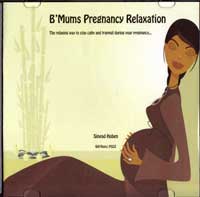
For the ultimate pregnancy treat, buy our Pregnancy Relaxation CD or download our Pregnancy Relaxation mp3
Or, if you're currently struggling with a busy lifestyle and the added demands of parenting, try our Perfect Relaxation for Parents mp3 - take time out for yourself and awaken refreshed and ready to face whatever life throws at you!
Also by BreastfeedingMums


Books We Love!


Support Us!
Write for Us
If you would like to contribute a pregnancy or breastfeeding poem, story or photos, or a miscarriage poem or story, just contact us and we'll add it to the site. Thanks.