Pregnancy Test
Looking for a reliable pregnancy test? Perhaps the best way to choose
from the many available pregnancy tests is to ask around friends and family...
or if you're trying to keep it a secret, ask on internet forums or do online
research!
So how does a pregnancy test work? When you conceive and the fertilised egg embeds itself in your womb lining, your body immediately starts to produce the pregnancy hormone HCG (Human Chorionic Gonadotropin). The levels of HCG rise rapidly over the first few weeks of pregnancy and are usually detectable in both your blood stream and urine from a few days before your period is due up to the end of your pregnancy.
Home pregnancy tests look for this hormone in your urine and usually all you have to do is either collect some urine in a container and dip a pregnancy test stick in it or pee directly onto the stick. The result is available within a few minutes!
Many modern pregnancy tests are more than 99% accurate, so if HCG is detected in your urine it will show up as a positve result on your home pregnancy test.
False negative pregnancy test results are more common than false positives.
The reason for this is that the pregnancy hormone levels may not be high enough to trigger a positive result. If you still think you may be pregnant after a negative result it may be worth retaking the test a few days later when the pregnancy hormones will have increased.
If you achieve a positive result after taking a pregnancy test then this is because the pregnancy hormone has been detected and almost certainly means you are pregnant.
If your pregnancy test confirms you are pregnant then you should make an appointment to speak to your GP as you will need to be booked into hospital for antenatal care and the birth (if you are having a hospital birth). He or she will probably take a blood test or a further urine pregnancy test just to confirm your own results... although this is becoming less routine as home pregnancy test results are so accurate these days!
Related Pregancy Articles
Pregnancy and Morning Sickness
Pregnancy and Labor - Your Hospital Bag
Treat Yourself to Me Time!
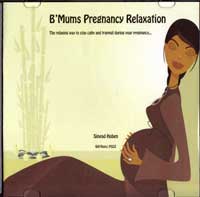
For the ultimate pregnancy treat, buy our Pregnancy Relaxation CD or download our Pregnancy Relaxation mp3
Or, if you're currently struggling with a busy lifestyle and the added demands of parenting, try our Perfect Relaxation for Parents mp3 - take time out for yourself and awaken refreshed and ready to face whatever life throws at you!
Also by BreastfeedingMums


Books We Love!


Support Us!
Write for Us
If you would like to contribute a pregnancy or breastfeeding poem, story or photos, or a miscarriage poem or story, just contact us and we'll add it to the site. Thanks.