Pregnancy Complications - Placenta Previa
Placenta previa is a pregnancy complication in which the placenta partially or completely covers the cervix. There are three types of previa:
Complete - the cervix is completely covered
Partial - part of the cervix is covered
Marginal - just the edge of the cervix is covered
Risk Factors
Your risk of experiencing placenta previa rises with maternal age, the number of previous pregnancies you have had and any previous uterine surgery, such as c-section, you have undergone.
Symptoms of Placenta Previa
In most cases a diagnosis of placenta previa is made in the third trimester when painless bleeding occurs. If it is suspected that you are suffering from placenta previa you will be given an ultrasound scan to check the diagnosis. Other symptoms of placenta previa include premature contractions, the baby lying in an abnormal position or the uterine measurements being larger than expected and therefore not matching up with your dates.
Placenta previa is a very serious condition and can have consequences for both the baby and mother so it is vitally important that your caregivers check out any abnormal bleeding and keep a check on your baby in utero if it is suspected.
In some cases the baby may suffer problems due to blood loss, growth restriction and possibly one or more congenital abnormalities. The mother is at increased risk of requiring a c-section, having a life-threatening hemorrhage, suffering post-partum hemorrhaging and placenta accreta where the placenta attaches to the uterine muscle.
After Diagnosis
If you are diagnosed with placenta previa it is likely you will be confined to bed-rest for the duration of your pregnancy and you may be required to stay in hospital. You may receive injections to help mature your baby's lungs depending on how advanced the pregnancy is.
If you are bleeding, and the bleeding cannot be controlled, then your baby may be delivered immediately and a c-section may be required depending on the severity of the previa.
More Pregnancy Complications
- Gestational Diabetes
- Carpal tunnel syndrome
- Pre-eclampsia
- Cholestasis (itching during pregnancy)
- Hemorrhoids
- Backache
- Bleeding
- Constipation
- Indigestion
- Heartburn
- Morning sickness
- Varicose veins
- Stretch marks
- Anxiety
- Depression (pre-natal depression)
- Childbed fever (puerperal sepsis)
Treat Yourself to Me Time!
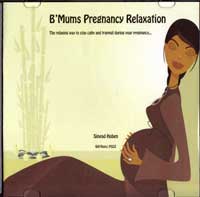
For the ultimate pregnancy treat, buy our Pregnancy Relaxation CD or download our Pregnancy Relaxation mp3
Or, if you're currently struggling with a busy lifestyle and the added demands of parenting, try our Perfect Relaxation for Parents mp3 - take time out for yourself and awaken refreshed and ready to face whatever life throws at you!
Also by BreastfeedingMums


Books We Love!


Support Us!
Write for Us
If you would like to contribute a pregnancy or breastfeeding poem, story or photos, or a miscarriage poem or story, just contact us and we'll add it to the site. Thanks.