Recovering from a C-Section
Depending on factors such as your age, body type and even the conditions under which you had your c-section, recovery times vary from mother to mother.
However, one thing all mothers who've had a c-section need to be prepared for is the fact that there may be quite a bit of pain, if not initial discomfort in the period following a c-section. The pain is usually caused by the wound itself, plus the normal uterine contractions which occur post-birth. A build up of gas in your body can also contribute to the pain.
To help you cope with the pain, you will most likely be prescribed morphine medication for a short time post-op. In the weeks following the procedure, you may also have to take painkillers at home.
Your stitches will be examined regularly during your stay in hospital and will be removed when your doctor believes you have healed sufficiently, usually within a few days of the operation.
Before returning home, you will be advised not to lift anything heavy or to do strenuous exercise or housework. It is essential to rest plenty to allow your body time to heal from what has been a major operation.
It is important to do some gentle exercises such as walking about gently, and breathing exercises can also be useful.
Cesarian scars tend to heal fairly quickly, shrinking daily as your tummy goes back to its pre-pregnancy size. Although it starts off looking rather reddish and swollen, within a few months it will be more or less the same colour as the rest of your skin and, since the scar is normally fairly low down, it will eventually be hidden by your pubic hair and barely noticeable.
Related Articles
Medical Reasons for Planned C-Section
Medical Reasons for Emergency C-Section
What Happens During a C-Section
Breastfeeding after a C-Section
Risks Associated with C-Sections
Giving Birth Vaginally after a C-Section
Treat Yourself to Me Time!
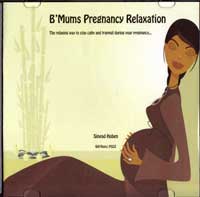
For the ultimate pregnancy treat, buy our Pregnancy Relaxation CD or download our Pregnancy Relaxation mp3
Or, if you're currently struggling with a busy lifestyle and the added demands of parenting, try our Perfect Relaxation for Parents mp3 - take time out for yourself and awaken refreshed and ready to face whatever life throws at you!
Also by BreastfeedingMums


Books We Love!


Support Us!
Write for Us
If you would like to contribute a pregnancy or breastfeeding poem, story or photos, or a miscarriage poem or story, just contact us and we'll add it to the site. Thanks.