Miscarriage Treatments - What happens after a miscarriage?
Having been told that you have miscarried your baby, you will probably be anxious to know what happens next.
No treatment is necessary after a complete miscarriage since your body will have already dealt with the pregnancy tissue by either expelling it naturally or reabsorbing it.
After missed miscarriage, or if there is a lot of bleeding, then you may be required to have surgery or medication to remove the remaining pregnancy tissue. Your doctor may prescribe a combination of the drugs misoprostol and mifepristone. These drugs work together to soften the cervix and make the uterus contract. This has the effect of expelling the remaining pregnancy tissue.
If the pregnancy was more advanced you will possibly require surgery to empty the uterus. If this is the case, then you will undergo ERPC, ie an evacuation of retained products of conception, also known as a D&C, dilatation and curettage. This procedure requires a general anaesthetic during which a soft plastic tube is passed through the cervix into the uterus. Any remains of the pregnancy are then removed by suction.
More Miscarriage Articles
Miscarriage - What Happens at Hospital
Further Information on Miscarriage
The Miscarriage Association, ph 01924 200 799, offers support and advice to women, their partners and families who have experienced miscarriage. They have articles covering how you might feel after a miscarriage, special circumstances, trying again and as well as personal reflections by mothers who have experienced miscarriages.
Treat Yourself to Me Time!
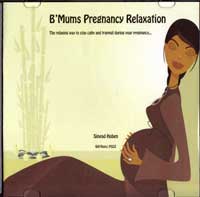
For the ultimate pregnancy treat, buy our Pregnancy Relaxation CD or download our Pregnancy Relaxation mp3
Or, if you're currently struggling with a busy lifestyle and the added demands of parenting, try our Perfect Relaxation for Parents mp3 - take time out for yourself and awaken refreshed and ready to face whatever life throws at you!
Also by BreastfeedingMums


Books We Love!


Support Us!
Write for Us
If you would like to contribute a pregnancy or breastfeeding poem, story or photos, or a miscarriage poem or story, just contact us and we'll add it to the site. Thanks.